“Need a stylish accessory that adds a touch of tradition to your look? Look no further than the elegant paag. The paag, a symbol of pride and heritage, is more than just a piece of headwear – it’s a statement of cultural richness. Crafted with intricate detail and worn with pride, the paag carries a legacy of grace and sophistication. Discover the timeless allure of the paag and elevate your style effortlessly.”

The Delicious World of Paag: Exploring the Sweet Tradition
Welcome, dear readers, to the wonderful world of paag! In this delightful journey, we will embark on a flavorful adventure to uncover the history, ingredients, preparation, and cultural significance of this beloved sweet treat. So sit back, relax, and get ready to satisfy your sweet tooth as we delve into the fascinating world of paag.
The Origins of Paag
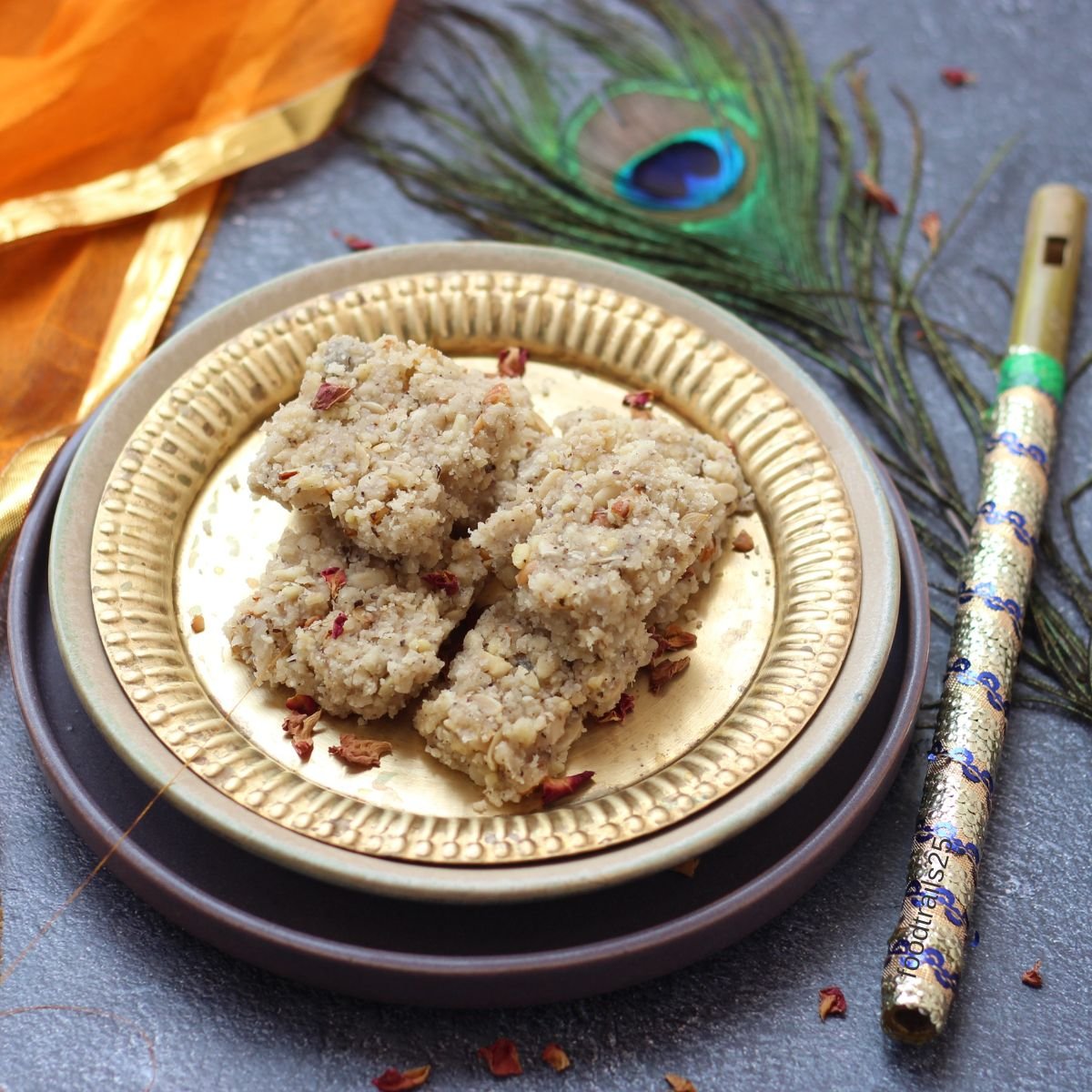
Paag, also known as ‘gur ki mithai’ in some regions, is a traditional sweet confectionery that holds a special place in the hearts of many. Its origins can be traced back to ancient times when it was first crafted as an offering to the gods during religious ceremonies and festivals. Over the centuries, paag has evolved into a popular dessert enjoyed by people of all ages across various cultures and communities.
The Ingredients of Paag
One of the key elements that make paag so unique and delectable is its rich blend of ingredients. The core components of paag typically include jaggery (gur), ghee, nuts, and various spices such as cardamom and nutmeg. These ingredients come together to create a symphony of flavors that tantalize the taste buds and leave a lasting impression.
Jaggery, a natural sweetener made from sugarcane juice or palm sap, forms the base of paag and provides it with its distinct sweetness. Ghee, or clarified butter, adds a rich and buttery texture to the sweet while enhancing its aroma and flavor profile. Nuts like almonds, cashews, and pistachios are often used to add crunch and nuttiness to the paag, elevating its overall texture.
Spices and Flavors
When it comes to spices, cardamom and nutmeg are commonly employed to infuse paag with warm and aromatic notes. Cardamom brings a sweet and slightly citrusy flavor to the mix, while nutmeg adds a hint of earthiness and warmth. These spices not only enhance the taste of paag but also contribute to its therapeutic and medicinal properties.
The Preparation of Paag
The process of making paag is a labor of love that requires skill, patience, and attention to detail. To begin, jaggery is melted in ghee over low heat until it reaches a smooth and syrupy consistency. Nuts and spices are then added to the mixture, infusing it with their flavors and textures. The mixture is carefully stirred and cooked until it thickens and reaches the desired consistency.
Once the paag mixture is ready, it is poured into molds or spread onto trays to cool and set. After it has hardened, the paag is cut into bite-sized pieces or shaped into decorative forms, ready to be enjoyed as a sweet indulgence or shared with loved ones during festive occasions.
Variations and Regional Specialties
While the basic recipe for paag remains consistent, there are numerous regional variations and specialties that showcase the diversity and creativity of this beloved sweet. In some regions, paag may be enhanced with the addition of dried fruits like raisins or figs, giving it a chewy and fruity twist. Other variations might include the use of different nuts or spices to create unique flavor profiles.
Each region’s interpretation of paag reflects its culinary traditions, local ingredients, and cultural influences, making it a versatile and adaptable sweet that can be enjoyed in many different forms.
The Cultural Significance of Paag
Beyond its delicious taste and intricate preparation, paag holds a deep cultural significance in many communities. It is often associated with auspicious occasions such as weddings, festivals, and religious ceremonies, where it serves as a symbol of sweetness, prosperity, and goodwill.
In some cultures, paag is exchanged as a token of love and respect, highlighting the importance of sharing and generosity. It is believed that consuming paag brings good luck and blessings, making it a cherished tradition that fosters unity and togetherness among families and friends.
Paag in Festivals
During festivals like Diwali, Makar Sankranti, and Lohri, paag plays a central role in the celebrations, with families coming together to prepare and share this delectable sweet with one another. The act of offering paag to guests and loved ones is considered a gesture of hospitality and warmth, creating a sense of joy and camaraderie during festive times.
Whether enjoyed as a dessert after a hearty meal or distributed as a token of appreciation, paag embodies the spirit of sharing, caring, and celebrating life’s precious moments with sweetness and love.
As we come to the end of our journey into the wonderful world of paag, we hope that you have gained a newfound appreciation for this delightful sweet treat and the cultural richness it embodies. From its ancient origins to its modern-day variations, paag continues to captivate and delight taste buds around the world, spreading joy and sweetness wherever it goes.
So the next time you savor a piece of paag, remember the centuries of tradition and love that have gone into its creation, and relish every bite with gratitude and happiness. Indulge in the magic of paag, and let its sweetness fill your heart and soul with warmth and joy.
Thank you for joining us on this flavorful adventure. Until next time, sweeten your life with a touch of paag and let its deliciousness brighten your day!
instant panchmewa paag thanks 2M+views krishna janmashtami special | स्वादिष्ट पंचमेवा पाग #festival
Frequently Asked Questions
What is a paag?
A paag is a traditional headdress worn by men in the Indian subcontinent, particularly in regions like Rajasthan and Uttar Pradesh. It is a turban-like headgear that holds cultural and symbolic significance.
How is a paag typically made?
A paag is usually made from a long piece of cloth, often silk or cotton, that is intricately wrapped around the head in a specific style. The wrapping technique varies depending on the region and occasion, with different styles denoting unique meanings.
What is the significance of wearing a paag?
Wearing a paag is a symbol of pride, honor, and respect in many Indian communities. It is often worn during special occasions such as weddings, festivals, or cultural ceremonies to showcase tradition and elegance.
Final Thoughts
The art of making paag is a timeless tradition that reflects the rich culture and heritage of Nepal. The intricate process of preparing paag involves skill and patience, resulting in a sweet and flavorful treat enjoyed by many. This traditional delicacy serves as a symbol of celebration and togetherness, bringing people closer during special occasions. Embrace the essence of Nepali culture through the delightful taste and symbolism of paag.