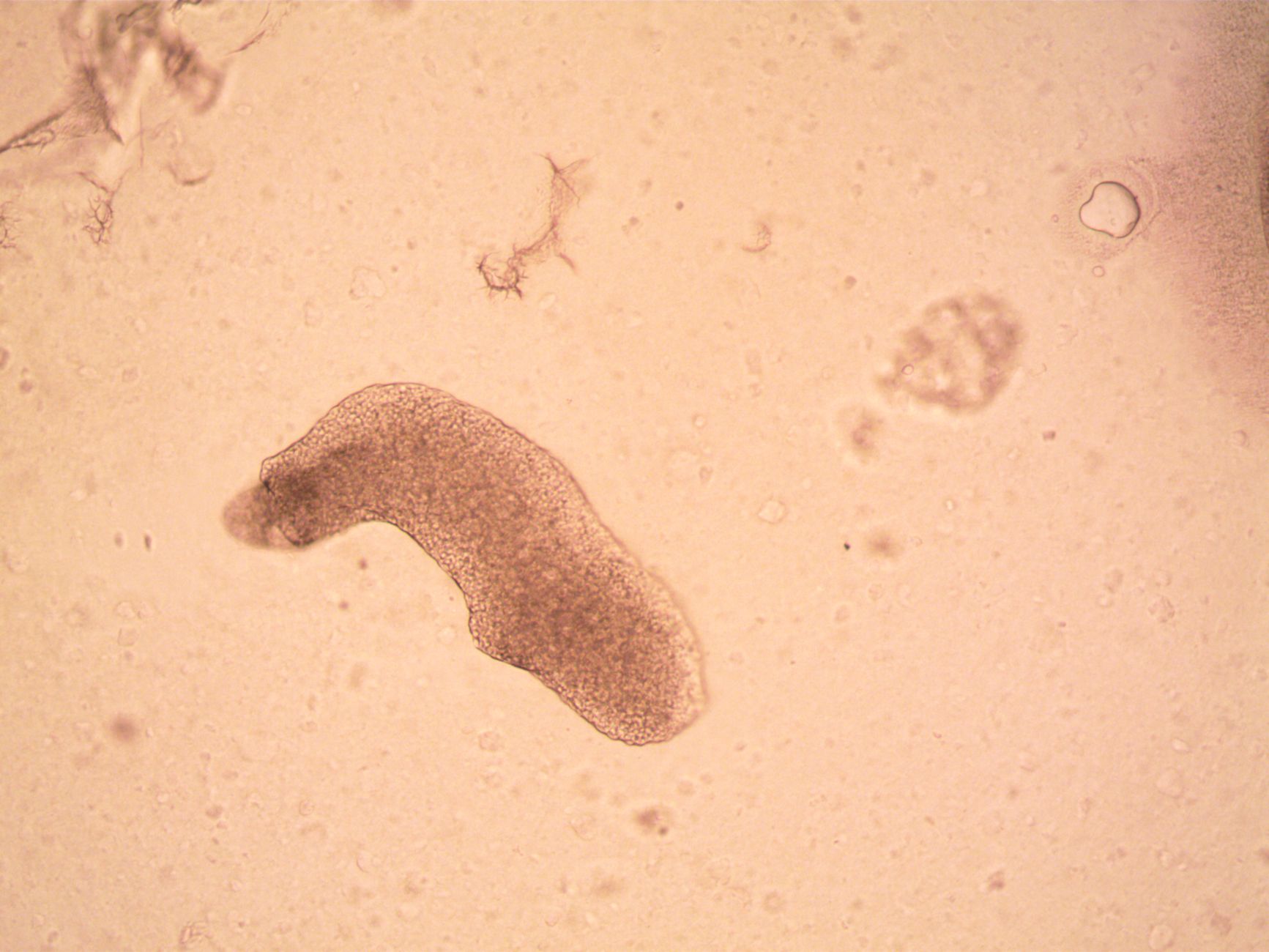
The heat tolerance amoeba has achieved a remarkable feat, breaking records for its ability to survive extreme temperatures. This discovery sheds light on the resilience of complex life forms in harsh environments.
Introduction to the heat tolerance amoeba
The discovery of the heat tolerance amoeba has captivated scientists and researchers alike, as it showcases remarkable adaptations that allow it to thrive in extreme conditions. Found in the hot springs of the world, this unique organism has broken records for its ability to withstand temperatures that would be lethal to most complex life forms.
What sets the heat tolerance amoeba apart is its exceptional resilience to high heat, enabling it to survive in environments that can reach boiling point. This adaptation not only highlights the amoeba’s evolutionary journey but also raises questions about the limits of life on Earth and potentially beyond.
Researchers are keen to explore the genetic and biochemical mechanisms behind this extraordinary heat tolerance. Understanding these traits may provide insights into how life can adapt to extreme environments, paving the way for innovations in various fields, including biotechnology and astrobiology.
What is the heat tolerance of this amoeba?
The heat tolerance amoeba, scientifically recognized for its remarkable ability to thrive in extreme temperatures, has captivated researchers worldwide. This unique organism has been found in hot springs, where temperatures can exceed 70 degrees Celsius. Its ability to withstand such heat is attributed to several key factors:
- Cellular Adaptations: The amoeba’s cells possess specialized proteins that stabilize their structures in high temperatures.
- Enzymatic Flexibility: Enzymes within the amoeba remain functional and efficient, even under thermal stress.
- Stress Response Mechanisms: It can rapidly activate heat shock proteins, helping to repair and protect cellular components.
Studies have shown that the heat tolerance amoeba can endure temperatures that would be lethal to most other forms of life, making it a prime subject for research into survival strategies in extreme environments.
Why is this discovery significant?
The discovery of the heat tolerance amoeba is significant for several reasons. First, it challenges existing notions about the limits of life, particularly in extreme environments. Understanding how this amoeba thrives in temperatures previously thought to be uninhabitable can provide insights into the resilience of life.
Additionally, this finding has implications for various fields, including astrobiology and climate science. By studying the adaptations of the heat tolerance amoeba, researchers can explore the potential for life on other planets with extreme conditions.
Moreover, the mechanisms that enable this amoeba to survive intense heat could inspire innovations in biotechnology, potentially leading to advancements in industrial processes and materials that require high-temperature stability.
In summary, the heat tolerance amoeba serves as a remarkable example of nature’s adaptability, opening doors to new research avenues and practical applications.
How does the amoeba survive extreme temperatures?
The heat tolerance amoeba has developed remarkable adaptations that enable it to survive in extreme temperatures. This resilience is attributed to several key factors:
- Protein stability: The amoeba produces specialized proteins that maintain their structure and function even under high thermal stress.
- Metabolic flexibility: It can adjust its metabolic processes to efficiently utilize available energy sources, allowing it to thrive in harsh conditions.
- Protective mechanisms: The amoeba employs cellular mechanisms, such as heat-shock proteins, that help to prevent damage from heat-induced stress.
- Genetic adaptations: Over time, these organisms have undergone genetic changes that enhance their ability to cope with extreme environments.
These adaptations not only highlight the incredible resilience of the heat tolerance amoeba but also offer insights into the potential for life in extreme conditions elsewhere in the universe.
Implications for understanding climate resilience
The discovery of the heat tolerance amoeba has significant implications for understanding climate resilience. These remarkable organisms thrive in extreme temperatures, which may offer insights into how life can adapt to changing environmental conditions. As climate change continues to affect various ecosystems, studying the mechanisms behind the heat tolerance of this amoeba could reveal potential pathways for other species to survive similar stressors.
Additionally, the findings could enhance our knowledge of microbial life in extreme environments, such as hot springs and hydrothermal vents, where traditional life forms struggle to exist. Understanding the genetic and biochemical adaptations that allow the heat tolerance amoeba to flourish under such conditions may inform conservation strategies for other vulnerable species.
- Potential for biotechnological applications in industry.
- Insights into evolutionary processes under extreme conditions.
- Impacts on ecological balance in extreme habitats.
Related research on extremophiles
Recent studies have expanded our understanding of extremophiles, particularly the heat tolerance amoeba, which has captivated researchers with its resilience in extreme environments. Various research initiatives have focused on how these organisms adapt at a molecular level, providing insights into their survival mechanisms.
Some key findings include:
- Genetic Adaptations: The heat tolerance amoeba exhibits unique genetic mutations that enhance its ability to withstand high temperatures.
- Protein Stability: Researchers have identified specific proteins within the amoeba that maintain structural integrity even under extreme thermal stress.
- Metabolic Flexibility: The amoeba shows a remarkable ability to switch metabolic pathways, allowing it to thrive in fluctuating temperatures.
The implications of these findings extend beyond the heat tolerance amoeba, potentially informing efforts to engineer more resilient crops and organisms in the face of rising global temperatures.
Future studies on amoeba adaptations
Future studies on the heat tolerance amoeba could provide deeper insights into the mechanisms behind its remarkable adaptations. Researchers are particularly interested in:
- Genetic analysis: Understanding the specific genes that contribute to its heat resistance may reveal pathways to enhance resilience in other organisms.
- Metabolic processes: Investigating how the amoeba maintains cellular function at extreme temperatures could inform biotechnological applications.
- Ecological roles: Examining the amoeba’s interactions with other extremophiles in hot spring ecosystems might uncover collaborative adaptations that support survival.
- Climate change impacts: Studying how heat tolerance amoeba populations respond to changing temperatures could help predict future biodiversity shifts.
By exploring these avenues, scientists aim to understand not only the heat tolerance amoeba but also broader principles of life’s adaptability in extreme conditions, which is crucial as climate change continues to challenge ecosystems worldwide.
Conclusion on heat tolerance findings
In conclusion, the findings surrounding the heat tolerance amoeba reveal remarkable insights into its ability to thrive in extreme environments. This amoeba not only showcases an impressive capacity for withstanding high temperatures but also serves as a model for understanding broader ecological resilience.
The research highlights several key aspects:
- Adaptations: The unique cellular mechanisms that allow this amoeba to endure heat stress are crucial for its survival.
- Ecological Impact: Understanding the heat tolerance of this amoeba can provide valuable information about ecosystem stability in changing climates.
- Potential Applications: Insights gained may lead to advancements in biotechnology and environmental management.
As we continue to study extremophiles like the heat tolerance amoeba, we gain a deeper appreciation for the resilience of life on Earth and the adaptations necessary for survival in a warming world.
Photo by turek on Pexels
Where this came from
Bitcoin Ethereum pause rally: Worst indicators for traders · Reliance Naval share price: Best Proven Insights Today · Claude Opus 5.5: The Best AI Model with Proven Cost Savings