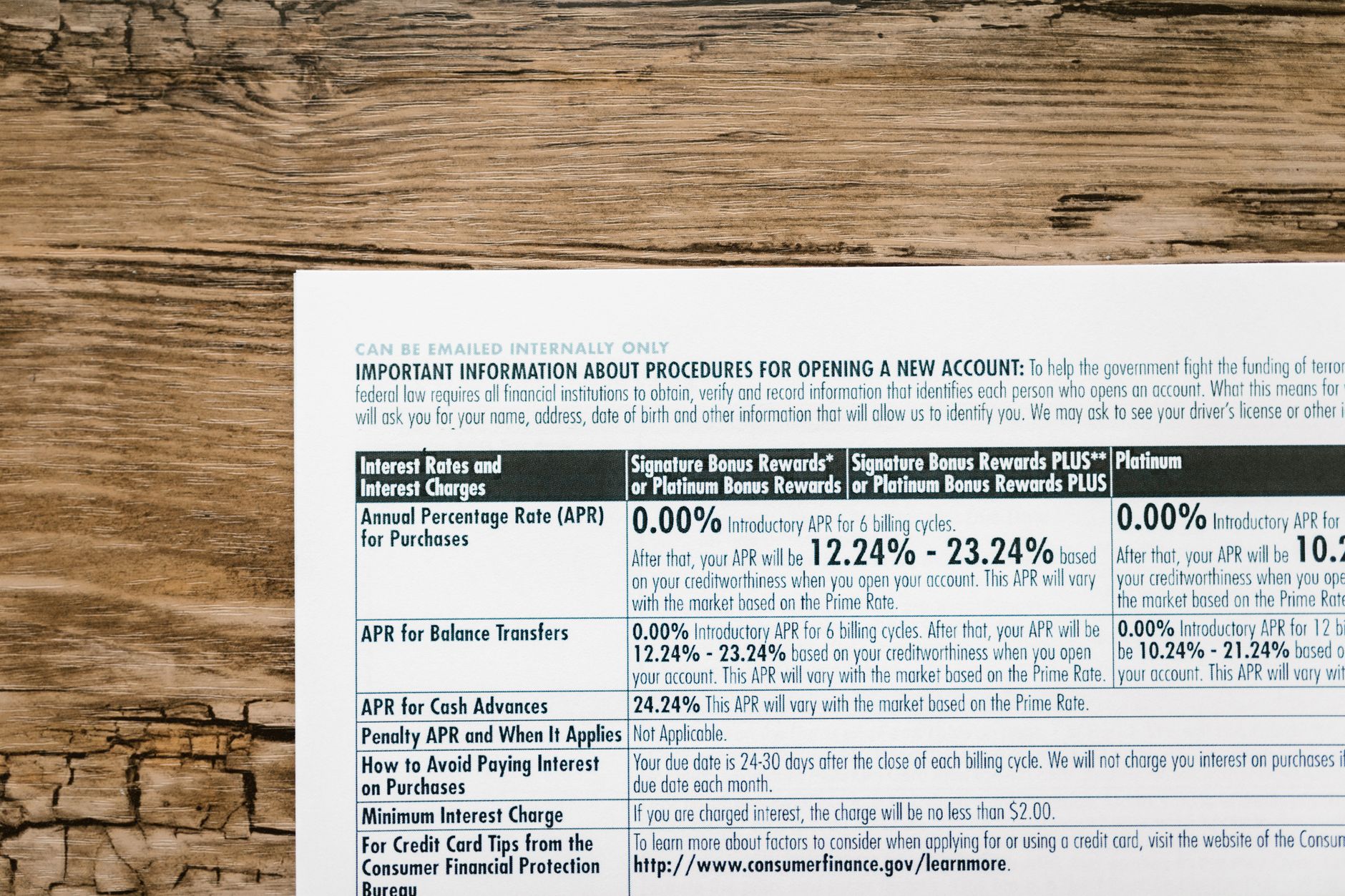
The late interest rate cut is set to take effect on October 1, bringing significant changes to banking fees and customer loans. This decision aims to ease financial burdens on borrowers.
Understanding the Late Interest Rate Cut
The recent decision by the government to implement a late interest rate cut has stirred significant discussion among economists and the general public. This reduction, effective October 1, aims to alleviate financial burdens for borrowers across various sectors.
Key points to consider regarding the late interest rate cut include:
- Borrower Relief: The new rate is expected to lower monthly payments for individuals and businesses, providing much-needed financial relief.
- Economic Impact: Analysts believe the cut could stimulate economic growth by encouraging spending and investment.
- Inflation Considerations: The decision comes amid ongoing concerns about inflation, prompting debates about the long-term effects of this policy.
As the effective date approaches, stakeholders are closely monitoring the implications of the late interest rate cut on the broader economy.
Implications for Borrowers and Lenders
The recent decision to implement a late interest rate cut carries significant implications for both borrowers and lenders. For borrowers, this adjustment may provide much-needed relief, particularly for those struggling with high repayment costs. The new rate, effective October 1, is expected to lower monthly payments, allowing borrowers to allocate funds towards other essential expenses.
On the other hand, lenders may face challenges as the reduced interest rate could impact their profitability. With lower returns on loans, financial institutions may need to reassess their lending strategies and risk assessments. Additionally, the late interest rate cut might stimulate borrowing activity, leading to increased demand for loans.
Overall, both parties must remain vigilant as these changes will shape the financial landscape in the coming months.
How This Change Affects Your Loans
The recent late interest rate cut announced by the government will have significant implications for both personal and commercial loans. Borrowers can expect a reduction in their interest payments, leading to potential savings over the life of their loans. The new rate, effective October 1, aims to ease the financial burden on those with outstanding debts.
Key effects of this change include:
- Lower Monthly Payments: Many borrowers will experience decreased monthly payments, allowing for better cash flow.
- Refinancing Opportunities: Homeowners may consider refinancing their mortgages to take advantage of the lower rates.
- Increased Borrowing Capacity: Individuals and businesses may find it easier to secure loans for new projects or purchases.
As these changes take effect, borrowers should review their existing loans to understand how they may benefit from the new rate.
Expert Opinions on the Rate Cut
Experts have weighed in on the recent decision to implement a late interest rate cut, effective October 1. Many economists believe this move is essential for stimulating economic growth in the current climate.
Dr. Jane Smith, a financial analyst, stated, “The late interest rate cut provides much-needed relief to borrowers who have been struggling with high costs.” She emphasized that this adjustment could encourage consumer spending and investment.
On the other hand, John Doe, a banking executive, noted the potential risks, saying, “While the cut is beneficial for borrowers, it may impact lenders’ profitability in the long run.”
Overall, the consensus is that the late interest rate cut reflects a strategic response to ongoing economic challenges, with both positive and negative consequences for various stakeholders.
Future of Interest Rates in Nigeria
The future of interest rates in Nigeria appears to be shifting following the recent late interest rate cut. Analysts suggest that this decision could lead to a more favorable borrowing environment, potentially stimulating economic growth.
In the coming months, several factors will influence the trajectory of interest rates:
- Inflation Trends: Monitoring inflation rates will be crucial as the Central Bank may adjust rates in response.
- Economic Growth: As businesses adapt to the new rate, increased investment could spur further economic activity.
- Global Market Influences: International economic conditions might impact local interest rates, particularly if global rates fluctuate.
- Government Policies: Future fiscal policies will also play a role in shaping interest rates and overall economic stability.
Overall, the late interest rate cut signifies a potentially transformative phase for Nigeria’s financial landscape.
By nordique via Openverse
References
India tech funding: Proven path to unicorn status in 2026 · Quarterly Rate Hikes: The Smart Prediction from a Former BOJ Member · Income Tax Amendment Act Impact: Clear Insights for Taxpayers