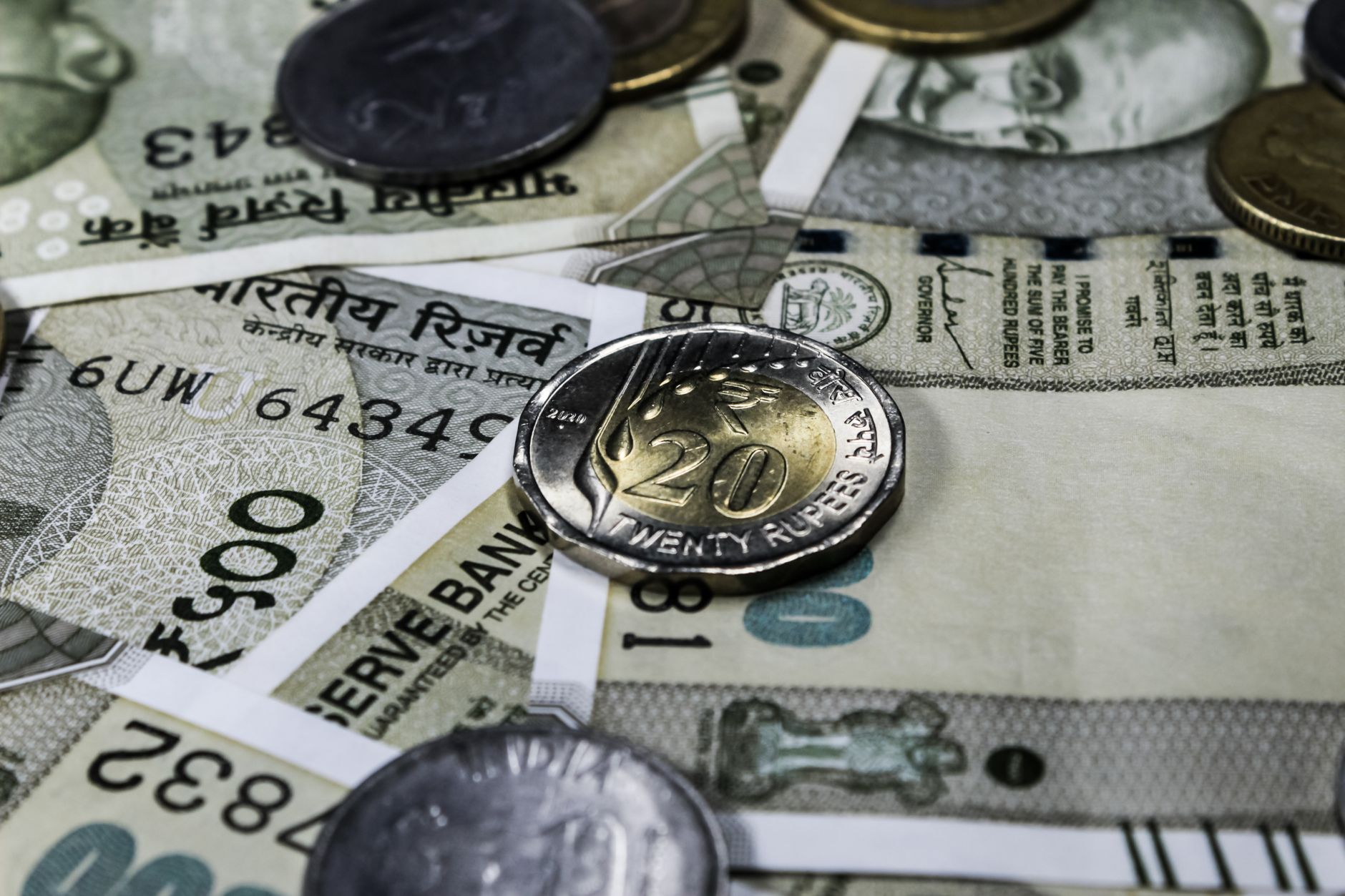
RBI rate hike has put significant pressure on Indian markets, coinciding with a surge in oil prices. This combination raises concerns for investors and consumers alike.
Impact of RBI Rate Hike on Markets
The recent RBI rate hike has sent ripples through the Indian markets, raising concerns among investors and analysts alike. The decision, aimed at curbing inflation, has coincided with a surge in global oil prices, creating a challenging environment for equity and bond markets.
Market reaction has been swift, with several key indices experiencing a notable decline. Investors are worried about the potential for decreased consumer spending and increased borrowing costs, which could further dampen economic growth. The combination of higher interest rates and rising oil prices has led to a cautious sentiment among market participants.
Key factors influencing the market include:
- Increased Borrowing Costs: The rate hike may lead to higher interest rates on loans, affecting both personal and corporate borrowing.
- Consumer Sentiment: Higher costs of living, driven by oil price increases, could reduce disposable income, impacting retail sales.
- Investment Decisions: Investors may reassess their portfolios, moving towards safer assets in light of the economic uncertainty.
As the markets adjust to the implications of the RBI rate hike and oil price fluctuations, stakeholders will be closely monitoring economic indicators for further insights.
Current Oil Price Trends
Current trends indicate a significant increase in oil prices, which has raised concerns among investors and analysts alike. The recent RBI rate hike has further complicated the situation, leading to heightened market pressure.
The following factors contribute to the current oil price trends:
- Geopolitical Tensions: Ongoing conflicts and uncertainties in major oil-producing regions have led to supply concerns, causing prices to rise sharply.
- Global Demand Recovery: As countries emerge from pandemic-related restrictions, the demand for oil has surged, putting upward pressure on prices.
- Production Constraints: Several oil-producing nations have struggled to meet their output targets, exacerbating the supply-demand imbalance.
- Currency Fluctuations: The depreciation of the Indian rupee against the US dollar has made imported oil more expensive, further impacting domestic fuel prices.
The confluence of these factors not only affects the oil market but also poses challenges for the Indian economy, particularly in the wake of the recent RBI rate hike. As oil prices continue to climb, the implications for inflation and economic growth remain a critical concern for policymakers.
Investor Reactions to Rate Changes
Following the recent RBI rate hike, investor sentiment has shifted notably across various sectors. Many market participants are evaluating the implications of elevated interest rates amid rising oil prices, which adds to the uncertainty. As the central bank aims to curb inflation, the decision to increase rates has sparked a mix of reactions.
According to financial analysts, the RBI rate hike is likely to affect borrowing costs, leading to a potential slowdown in consumer spending and business investments. This concern has caused some investors to adopt a more cautious approach, particularly in sectors sensitive to interest rates.
- Equity Markets: Investors are pulling back, leading to a decline in stock prices, especially in rate-sensitive industries like real estate and automobiles.
- Debt Instruments: Bond yields have started to rise, reflecting the changing landscape of fixed-income investments as rates go up.
- Commodity Markets: Higher oil prices are compounding the effects of the rate hike, pushing investors to reassess their portfolios.
Overall, the RBI rate hike has introduced a layer of complexity for investors, who must navigate both interest rate increases and volatile oil prices in their decision-making processes.
Historical Context of RBI Rate Hikes
The Reserve Bank of India (RBI) has a long history of adjusting interest rates in response to economic conditions, and the recent RBI rate hike marks a significant moment in this ongoing narrative. Over the years, the central bank has utilized rate adjustments as a tool to manage inflation and stabilize the economy.
Historically, RBI rate hikes have been influenced by various factors, including global economic trends, domestic inflation rates, and fiscal policies. In the early 2000s, for example, the RBI raised rates to combat rising inflation, which was exacerbated by increasing oil prices due to geopolitical tensions. Similarly, the financial crisis of 2008 prompted the RBI to lower rates significantly to spur growth.
In recent years, the RBI’s approach has been more cautious, balancing the need to control inflation with the imperative of promoting economic growth. The latest RBI rate hike has come at a time when inflationary pressures are mounting, partly due to surging oil prices that have a cascading effect on various sectors. This historical context serves to underscore the complexities surrounding monetary policy and its ramifications on both the markets and the broader economy.
Future Outlook for Indian Economy
The future outlook for the Indian economy is increasingly uncertain in light of the recent RBI rate hike. As the Reserve Bank of India adjusts its monetary policy to combat inflation, several key factors are likely to influence economic growth moving forward.
Firstly, the ongoing surge in oil prices is expected to exert additional pressure on the economy. With rising fuel costs, both consumers and businesses are likely to face higher operational expenses, which could dampen domestic consumption.
Secondly, the RBI rate hike may lead to increased borrowing costs for businesses and households. This could potentially slow down investment and spending, further stifling economic growth. Analysts are closely watching how this will impact sectors such as real estate and manufacturing, which are sensitive to interest rate fluctuations.
Furthermore, the global economic landscape remains unpredictable. Factors such as geopolitical tensions and supply chain disruptions may complicate recovery efforts and could lead to a volatile market environment.
In summary, while the RBI rate hike aims to stabilize inflation, its long-term effects on economic growth will depend on how external factors, including oil prices and global economic conditions, evolve in the coming months.
Expert Opinions on Market Dynamics
Market analysts are closely monitoring the implications of the recent RBI rate hike on the Indian economy, particularly in light of rising oil prices. According to economic expert Dr. Anjali Mehta, the dual pressure of increasing interest rates and soaring oil costs could lead to a challenging environment for investors. She stated, “The RBI rate hike is likely to amplify the cost of borrowing, which can dampen consumer spending and business investments.”
Another financial analyst, Rajesh Kumar, pointed out that the combination of tighter monetary policy and inflationary pressures from oil prices could create volatility in the stock markets. He explained, “Investors are likely to adopt a cautious approach, as the market grapples with the ramifications of these economic shifts.”
In contrast, some experts, like economist Priya Singh, argue that the RBI’s decision may ultimately stabilize the economy in the long run. “While short-term fluctuations are expected, the rate hike can be seen as a measure to combat inflation and ensure sustainable growth,” she noted.
As discussions continue, it remains to be seen how these dynamics will shape the future landscape of the Indian markets and the broader economy.
Photo by Ravi Roshan on Pexels
Sources
Related stories
Irdai Reforms: Unlocking More Choice and Lower Costs · Dragon’s Dogma 2 Review: The Best RPG Experience Yet · Dragon’s Dogma 2 Review: The Best RPG Experience Yet