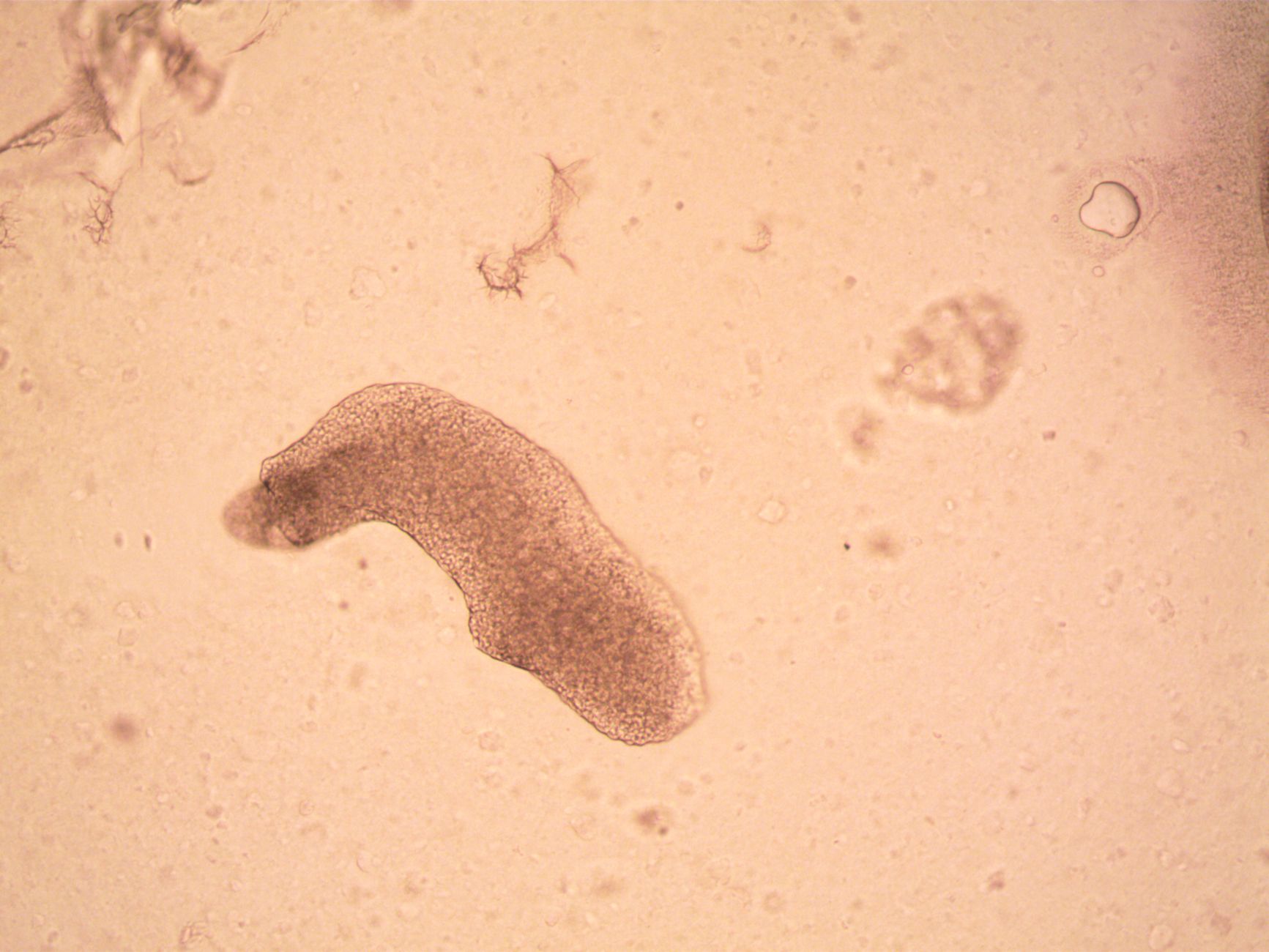
DNA damage protection is vital during cell migration across confining embryonic tissue environments. Understanding this mechanism can shed light on cellular behavior and development.
Understanding DNA Damage Protection
DNA damage protection plays a crucial role in maintaining cellular integrity, particularly during times of stress or environmental challenges. Recent studies have highlighted the importance of this protective mechanism, especially during cell migration through constricted spaces such as embryonic tissues. When cells navigate these confined environments, they are more susceptible to physical strain, which can lead to increased DNA damage.
This research underscores several key points regarding DNA damage protection:
- Cell Migration: Cells often migrate to fulfill various physiological functions, including development and wound healing. However, this process can expose them to conditions that may cause DNA damage.
- Protective Mechanisms: Cells employ various strategies to shield their DNA from damage, including repair pathways that are activated in response to stressors.
- Embryonic Environments: The unique conditions of embryonic tissues demand robust DNA damage protection to ensure proper development.
- Implications for Health: Understanding how cells protect their DNA during migration can inform therapeutic strategies for diseases linked to DNA damage, such as cancer.
Overall, enhancing DNA damage protection mechanisms could be a vital strategy in ensuring cellular safety and promoting overall health.
The Role of Cell Migration
The process of cell migration plays a crucial role in various biological functions, including tissue development and repair. During this migration, cells often encounter challenging environments that can lead to DNA damage. This raises questions about the efficiency of DNA damage protection mechanisms that cells employ while navigating through confined spaces within embryonic tissues.
Research indicates that cells have developed sophisticated strategies to maintain their integrity during migration. Some of these strategies include:
- Enhanced DNA Repair Mechanisms: Cells increase the expression of genes responsible for DNA repair, ensuring swift correction of any damage encountered.
- Antioxidant Production: The production of antioxidants is upregulated, which helps mitigate oxidative stress that can cause DNA damage.
- Cellular Communication: Cells communicate with their environment, using signals to prepare for potential stressors that may lead to DNA damage.
Understanding how these mechanisms work during cell migration can shed light on the effectiveness of DNA damage protection. Continued research in this area may reveal new insights into ensuring cellular safety and integrity in various physiological and pathological contexts.
Embryonic Tissue Environments Explained
Embryonic tissue environments play a crucial role in the protection against DNA damage, particularly during the cell migration process. These environments are characterized by their unique mechanical and biochemical properties, which can significantly influence cellular behavior. When cells migrate through these confined spaces, they face various challenges that can lead to physical stress and potential DNA damage.
Understanding these environments is essential for comprehending how DNA damage protection mechanisms are activated during migration. The surrounding matrix provides both structural support and biochemical cues that can enhance cellular resilience. For instance, specific proteins and growth factors present in the embryonic tissue help to stabilize cellular structures and promote repair processes.
Moreover, the interaction between migrating cells and their microenvironment can modulate signaling pathways associated with DNA repair. As cells navigate through these confined areas, they may activate protective mechanisms that reduce the likelihood of DNA lesions. This highlights the importance of the embryonic tissue as a supportive environment that not only facilitates movement but also contributes to the overall DNA damage protection, ensuring the integrity of the genetic material during critical developmental stages.
Research Findings on DNA Protection
Recent studies have highlighted significant advancements in our understanding of DNA damage protection during critical cellular processes. Researchers have focused on the mechanics of how cells migrate through confined embryonic tissue environments, revealing that these environments play a pivotal role in safeguarding DNA integrity.
Key findings from the research indicate that:
- Cell migration through tight spaces can lead to increased mechanical stress, which may compromise DNA.
- Embryonic tissues exhibit unique properties that enhance DNA damage protection, allowing cells to navigate without incurring genetic harm.
- Specific signaling pathways activated during migration are crucial for maintaining DNA stability, highlighting the interplay between physical and biochemical factors.
Moreover, the study suggests that understanding these protective mechanisms can lead to innovative strategies in regenerative medicine and cancer treatment. By targeting the pathways involved in DNA protection, scientists aim to develop therapies that not only prevent DNA damage but also promote cellular resilience in the face of environmental challenges. As research continues, the implications of these findings could reshape our approaches to genetic safety in various biomedical fields.
Implications for Developmental Biology
The implications of DNA damage protection extend significantly into the realm of developmental biology. As research reveals, the mechanisms that govern DNA integrity during critical stages of development can influence overall health outcomes. Understanding how cells mitigate DNA damage as they migrate through constricted embryonic environments offers insights into cellular behavior and tissue formation.
During development, cells are subjected to various stresses that may lead to DNA damage. The ability of these cells to protect their DNA while navigating through tight spaces is crucial for maintaining genomic stability. This protection not only ensures the survival of individual cells but also influences the developmental trajectory of entire tissues.
Furthermore, studies indicate that the processes involved in DNA damage protection are linked to the regulation of cell cycles and differentiation. Disruptions in these processes can result in developmental anomalies or contribute to diseases later in life. Therefore, enhancing our understanding of DNA damage protection mechanisms may pave the way for therapeutic interventions aimed at mitigating developmental disorders.
In conclusion, the intricate interplay between DNA damage protection and cellular dynamics is vital for advancing our knowledge of developmental biology.
Future Directions in Cellular Research
As research into DNA damage protection continues to advance, future directions in cellular research may focus on several key areas. Understanding the mechanisms that govern DNA repair processes will be critical in developing new therapies aimed at enhancing cellular resilience.
Researchers are increasingly exploring the relationship between cellular microenvironments and DNA integrity. There is a growing interest in how different tissue environments influence the ability of cells to migrate while maintaining DNA damage protection.
Additionally, the study of stem cells offers promising avenues for understanding how DNA repair mechanisms operate in various developmental stages. This could lead to breakthroughs in regenerative medicine, where effective DNA protection is essential for the viability of transplanted tissues.
Another area of focus may involve the role of genetic and epigenetic factors in DNA damage response pathways. By identifying specific genes responsible for enhancing DNA protection, scientists could pave the way for targeted gene therapies that improve cellular health.
Overall, the future of cellular research holds great promise for uncovering innovative strategies to safeguard DNA integrity, which is crucial for ensuring safety in both health and disease contexts.