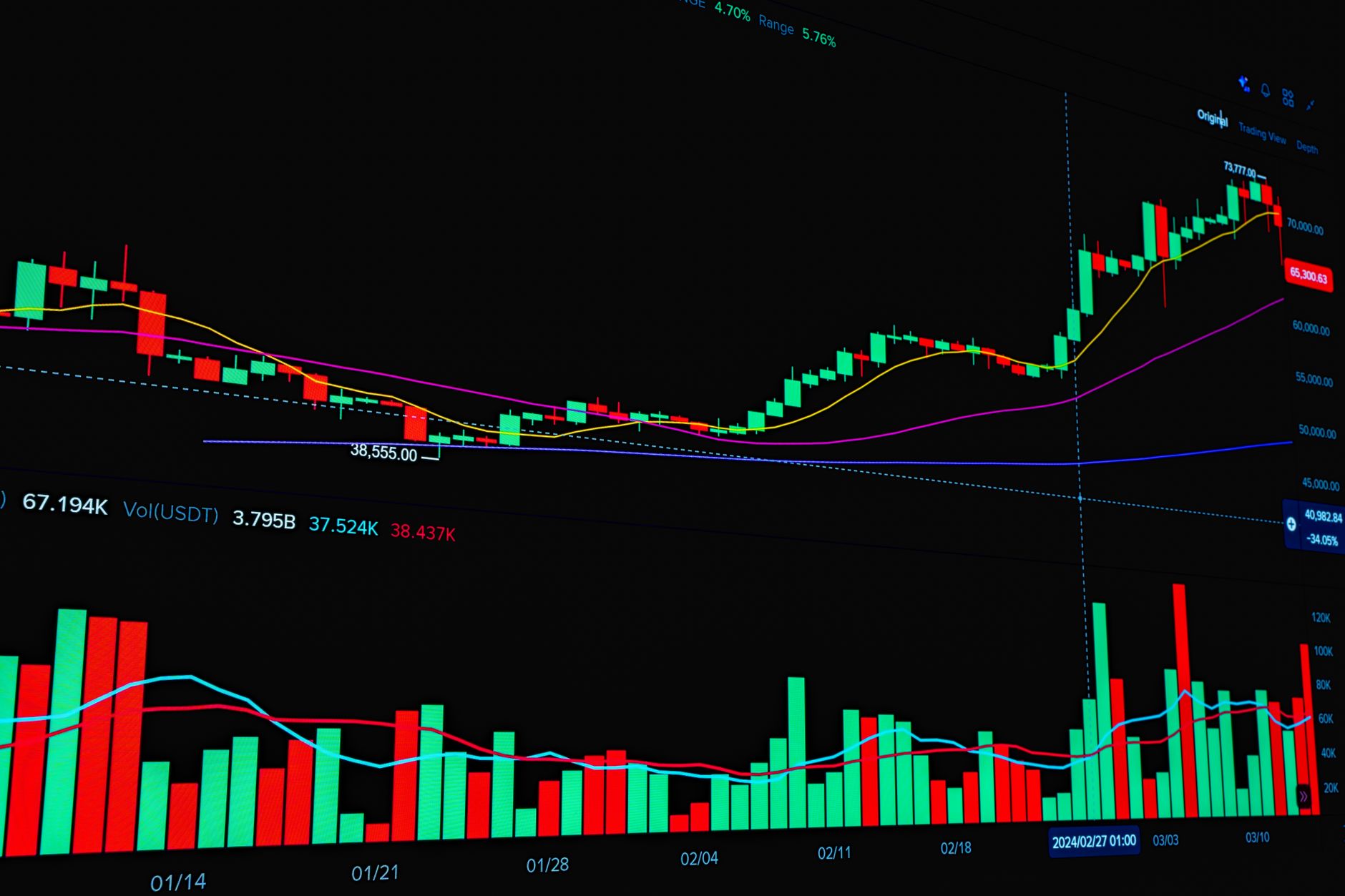
Market falling today has become a pressing concern for investors as the Sensex experiences a significant drop. With Nifty also below 22,400, understanding the triggers is crucial.
Understanding Today’s Market Trends
In recent trading sessions, the financial landscape has been marked by significant volatility, prompting concerns among investors. The primary question on everyone’s mind is, why is the market falling today? A confluence of factors has contributed to this downturn, leading to a sharp decline in major indices.
Market analysts have identified several key triggers behind the selloff:
- Economic Data Releases: Recent economic reports have indicated slower-than-expected growth, causing jitters among investors.
- Interest Rate Hikes: The possibility of further interest rate increases by central banks has heightened market apprehension.
- Geopolitical Tensions: Ongoing international conflicts and trade disputes have added to the uncertainty, prompting a flight to safety.
- Corporate Earnings Reports: Disappointing earnings from key companies have led to a reevaluation of stock valuations.
- Investor Sentiment: A general sense of unease has influenced trading behaviors, with many opting to liquidate positions amid fears of a prolonged downturn.
As the market continues to react to these developments, the situation remains fluid, and investors are advised to stay vigilant.
Key Factors Influencing Market Decline
Several key factors are influencing the market falling today, leading to significant declines in major indices. Investors are closely monitoring these triggers, which have contributed to the selloff.
- Global Economic Concerns: Worries about slowing economic growth in major economies have heightened investor anxiety, leading to a pullback in stock prices.
- Interest Rate Hikes: The potential for further interest rate increases by central banks has made investors cautious, affecting market sentiment and valuations.
- Corporate Earnings Reports: Disappointing earnings from several large corporations have raised concerns over profitability, causing a ripple effect across the market.
- Geopolitical Tensions: Escalating geopolitical issues have created uncertainty, prompting investors to sell off riskier assets.
- Market Overvaluation: Many analysts believe that the market was overvalued, and this correction is a natural response to previous highs.
As these factors continue to play out, traders and investors remain vigilant, navigating a volatile market where the focus on why the market is falling today is paramount.
Expert Opinions on Current Selloff
Experts have weighed in on the current selloff, providing insights into the reasons behind the market falling today. Analysts highlight several factors contributing to this downturn.
- Global Economic Concerns: Many experts point to rising inflation rates and tightening monetary policies worldwide as significant contributors to the market’s instability.
- Corporate Earnings Reports: Disappointing earnings results from major companies have led to decreased investor confidence, further exacerbating the market decline.
- Geopolitical Tensions: Ongoing geopolitical issues have created uncertainty in global markets, prompting many investors to pull back their investments.
- Interest Rate Hikes: The anticipation of further interest rate increases by central banks is causing investors to reassess their portfolios, leading to widespread selling.
- Technical Corrections: Some analysts suggest that the market was due for a correction after an extended rally, and this selloff might be a natural adjustment.
As the situation develops, investors are advised to remain vigilant and consider the potential long-term implications of these market movements.
Historical Context of Market Fluctuations
The fluctuations in the stock market are not uncommon, with historical data revealing patterns that often precede significant selloffs. Today, as we observe the market falling, it is crucial to consider the broader historical context that informs these movements.
Historically, markets have experienced various cycles of peaks and troughs influenced by numerous factors. Some of the key historical triggers include:
- Economic Recession: Previous downturns have often coincided with economic contractions, leading to decreased investor confidence.
- Geopolitical Tensions: Events such as wars or trade disputes frequently result in market volatility, prompting investors to pull back.
- Interest Rate Changes: Adjustments in interest rates by central banks can impact borrowing costs and consumer spending, leading to market reactions.
- Corporate Earnings Reports: Poor earnings reports from major companies can signal trouble, leading to widespread selloffs.
- Pandemic Impacts: The recent global health crises have shown how sudden challenges can disrupt markets.
As we analyze the current situation, it’s important to remember these historical patterns and their relevance to today’s market falling trend.
Advice for Investors During Volatility
As the market falling today continues to create uncertainty, investors are urged to remain calm and strategic. Volatility can present both challenges and opportunities, and it’s essential to assess your financial position carefully.
Here are some tips for navigating this turbulent period:
- Stay Informed: Keep track of market news and economic indicators. Understanding the reasons behind the market falling today can help you make informed decisions.
- Diversify Your Portfolio: Consider spreading your investments across various asset classes to mitigate risk. A well-diversified portfolio can withstand market fluctuations more effectively.
- Avoid Panic Selling: Emotional decisions can lead to losses. Instead of reacting impulsively, take a step back and evaluate the long-term outlook of your investments.
- Focus on Fundamentals: Look for companies with strong fundamentals that may be undervalued due to the current market conditions. Buying during a downturn can sometimes lead to significant gains.
- Consult with Professionals: Seek advice from financial advisors who can provide tailored guidance based on your risk tolerance and investment goals.
By applying these strategies, investors can navigate the current selloff with a more balanced approach.
Future Outlook for Stock Markets
As investors grapple with the current downturn, the future outlook for stock markets remains uncertain. Analysts suggest that the recent selloff, characterized by the market falling today, could be a precursor to a more prolonged period of volatility. Key indicators point towards potential recovery, yet caution is advised.
Several factors could influence market performance in the coming weeks:
- Monetary Policy Changes: Central banks worldwide are adjusting interest rates, which may impact investor sentiment and spending.
- Economic Data Releases: Upcoming reports on employment, inflation, and GDP growth could provide insight into the health of the economy.
- Geopolitical Tensions: Ongoing global conflicts and trade negotiations may continue to create uncertainty.
- Corporate Earnings Reports: The performance of major companies in the next earnings season may significantly sway market direction.
- Investor Sentiment: Fear and uncertainty can lead to further selloffs, making psychology a critical factor in market dynamics.
In conclusion, while the market falling today signals immediate concerns, a careful analysis of these factors can help investors navigate through this turbulent period and identify potential opportunities for future growth.
The market falling today can be attributed to several factors, including rising inflation fears and disappointing corporate earnings. Investors are reacting swiftly to the news, contributing to the overall trend of the market falling today.
Photo by Rafael Minguet Delgado on Pexels