
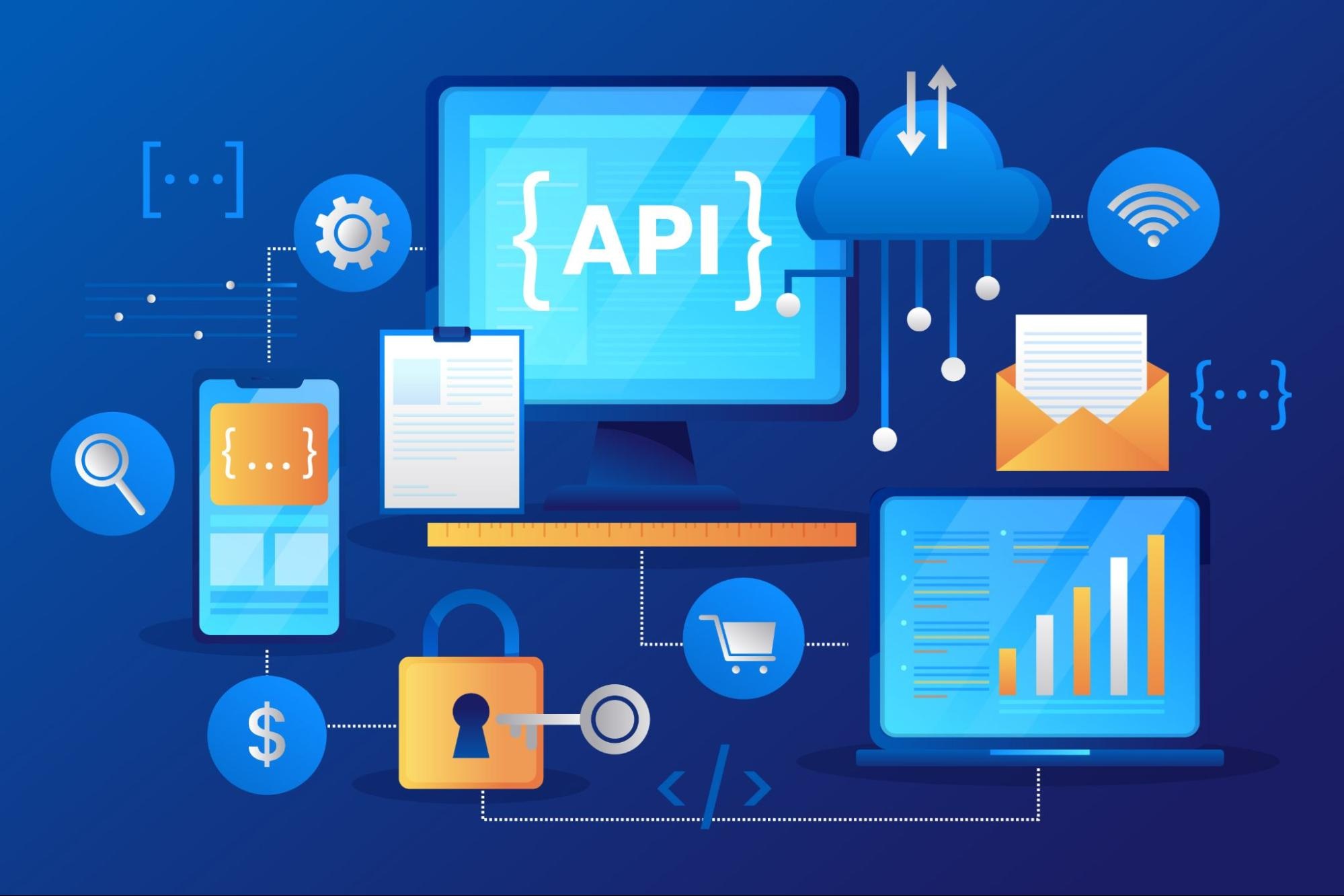
Imagine a bustling city where each building represents a microservice — unique in purpose but dependent on roads, bridges, and signals to stay connected. Now, picture what happens if one bridge collapses or a signal fails — chaos. The same applies to modern applications built on microservices. API testing acts as the city’s traffic control system, ensuring every route is open, every signal is synchronised, and every interaction between services runs smoothly at scale.
In today’s interconnected systems, testing isn’t just about confirming functionality; it’s about ensuring harmony between hundreds of independent services that must work together seamlessly.
The Microservices Testing Challenge
Traditional monolithic testing was like maintaining a single machine — large but predictable. Microservices testing, however, is more like managing a fleet of autonomous vehicles, each with its own engine and decision-making unit.
Every microservice has its own API — the channel through which it communicates with others. These APIs might run in different languages, frameworks, or even cloud environments. Ensuring they interact correctly under all conditions becomes a monumental task.
For learners pursuing software testing coaching in Pune, mastering microservices testing provides a modern edge. It teaches how to test communication patterns rather than single applications, helping professionals thrive in real-world DevOps and agile setups.
Why API Testing is the Backbone of Microservices
If microservices are the organs of a digital ecosystem, APIs are the veins and arteries connecting them. An issue in one API can cause system-wide disruption, even if all services individually work fine.
API testing ensures that messages between services are correctly formatted, delivered on time, and return the right responses. It’s like checking that every bridge between buildings can handle the expected traffic without breaking.
Modern testing goes beyond checking whether an endpoint responds — it verifies data accuracy, error handling, security layers, and performance under load. This becomes especially vital when hundreds of APIs communicate at once in complex production environments.
Tools and Frameworks that Power API Testing
API testing has evolved with a suite of powerful tools designed to meet the scalability and complexity of microservice environments. Tools like Postman, SoapUI, and Rest Assured simplify endpoint testing, while frameworks such as Pact enable contract testing, ensuring services agree on the rules of communication.
For advanced setups, continuous testing pipelines integrate API validation directly into CI/CD workflows, ensuring that even the smallest code change doesn’t disrupt large systems.
Professionals trained through software testing coaching in Pune often work on such pipelines, learning how automation, versioning, and service virtualisation combine to maintain reliability and interoperability across distributed applications.
Key API Testing Strategies for Microservices
- Contract Testing – Ensures that producers and consumers of an API adhere to agreed data formats and protocols, reducing integration failures.
- End-to-End Testing – Simulates full business transactions across multiple microservices to confirm that workflows function correctly.
- Load and Performance Testing – Validates that APIs can handle high traffic and concurrent requests under production-like conditions.
- Security Testing – Protects data integrity and authentication layers to prevent vulnerabilities in interconnected environments.
A robust testing strategy combines all these layers, creating an ecosystem where services remain independent yet dependable.
The Future of API Testing
As applications scale, the complexity of managing API dependencies will only grow. The next frontier encompasses AI-assisted testing, chaos engineering, and self-healing test suites that autonomously detect and repair broken endpoints.
Testers are evolving into system engineers — not just verifying outcomes but ensuring ongoing reliability, scalability, and performance of microservices ecosystems.
Conclusion
In a microservices-driven world, testing has evolved into a discipline of orchestration — ensuring that independent parts collaborate flawlessly. API testing forms the backbone of this orchestration, ensuring that every microservice communicates in a consistent manner under real-world conditions.
By mastering these principles, professionals not only enhance software quality but also contribute to building resilient, scalable digital ecosystems ready for future demands.


