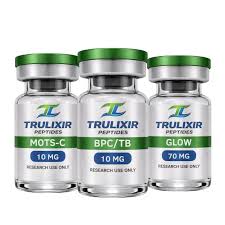
Research into body protection compounds has grown significantly over the past decade. Among the most studied is bpc 157 peptide canada researchers have increasingly sought for its role in tissue repair and recovery mechanisms. As scientific interest expands, understanding the compound’s properties, research applications, and sourcing considerations has become essential for laboratories and independent researchers across the country.
What Is BPC-157 and Why Is It Studied?
BPC-157, short for Body Protection Compound-157, is a synthetic pentadecapeptide derived from a protein found in gastric juice. It consists of 15 amino acids and has been the subject of numerous preclinical studies examining its effects on connective tissue, muscle, tendon, and ligament repair.
Preclinical research has shown that BPC-157 may promote angiogenesis—the formation of new blood vessels—which plays a critical role in delivering nutrients to damaged tissue. Studies conducted on rodent models have demonstrated accelerated tendon-to-bone healing, reduced inflammation markers, and improved recovery timelines following induced injury. These findings have positioned BPC-157 as a compelling subject for further study in regenerative science.
Key Research Findings at a Glance
The body of research surrounding BPC-157 has grown considerably:
Tendon and Ligament Repair: Multiple peer-reviewed studies have documented improved healing rates in Achilles tendon transection models following BPC-157 administration.
Gastrointestinal Applications: Research published in scientific journals has explored BPC-157’s cytoprotective effects on the gastric mucosa, with results suggesting a role in mucosal integrity.
Neurological Studies: Preliminary research indicates potential neuroprotective properties, including support for dopaminergic and serotonergic pathways in animal models.
Muscle Recovery: Studies examining BPC-157’s influence on muscle repair following crush injuries have reported measurable improvements in regeneration timelines.
It is important to note that all current findings are based on preclinical, laboratory-based research. BPC-157 has not been approved for human use by Health Canada or any comparable regulatory body.
Purity Standards Matter in Peptide Research
One of the most critical factors in producing reliable, reproducible research results is the purity of the compounds used. Impurities introduced during synthesis can compromise data integrity and lead to inconsistent outcomes across experimental replicates.
For this reason, Canadian researchers sourcing BPC-157 should prioritize suppliers that verify purity through High-Performance Liquid Chromatography (HPLC) and Mass Spectrometry (MS). These two analytical methods together confirm both the identity and purity of a peptide compound, offering a measurable standard that supports rigorous scientific inquiry.
Compounds verified to exceed 99% purity are considered the benchmark in research-grade peptide supply. Any deviation below this threshold introduces variables that can undermine experimental validity.
Sourcing BPC-157 in Canada: What to Look For
Canadian researchers have access to a growing number of domestic peptide suppliers, which offers several practical advantages—faster shipping timelines, reduced customs complications, and suppliers who operate within Canadian regulatory frameworks.
When evaluating a supplier, consider the following criteria:
Third-party or in-house analytical testing: Look for suppliers that provide verifiable HPLC and MS data for each batch.
Transparent manufacturing processes: Reputable suppliers use established solid-phase or solution-phase synthesis methods and document their procedures.
Regulatory clarity: Products should be clearly labeled for research purposes only, in compliance with Canadian guidelines.
Cold-chain handling: Peptides are sensitive to temperature fluctuations. Proper packaging and same-day or expedited shipping protocols protect compound stability.
The Role of Quality in Advancing Peptide Research
Scientific progress depends on the reliability of the tools researchers use. When peptide compounds meet rigorous purity standards, data becomes more trustworthy, experiments become more reproducible, and the broader scientific community benefits from findings that hold up to scrutiny.
As interest in recovery-focused peptides continues to grow within the Canadian research community, sourcing decisions will play a meaningful role in shaping research outcomes. Choosing a supplier with verifiable quality standards is not a minor logistical detail—it is a foundational element of credible science.
For researchers looking to source high-purity BPC-157 and other research-grade peptides within Canada, The Peptide Labs offers rigorously tested compounds with documented purity exceeding 99%, backed by HPLC and MS verification on every batch.