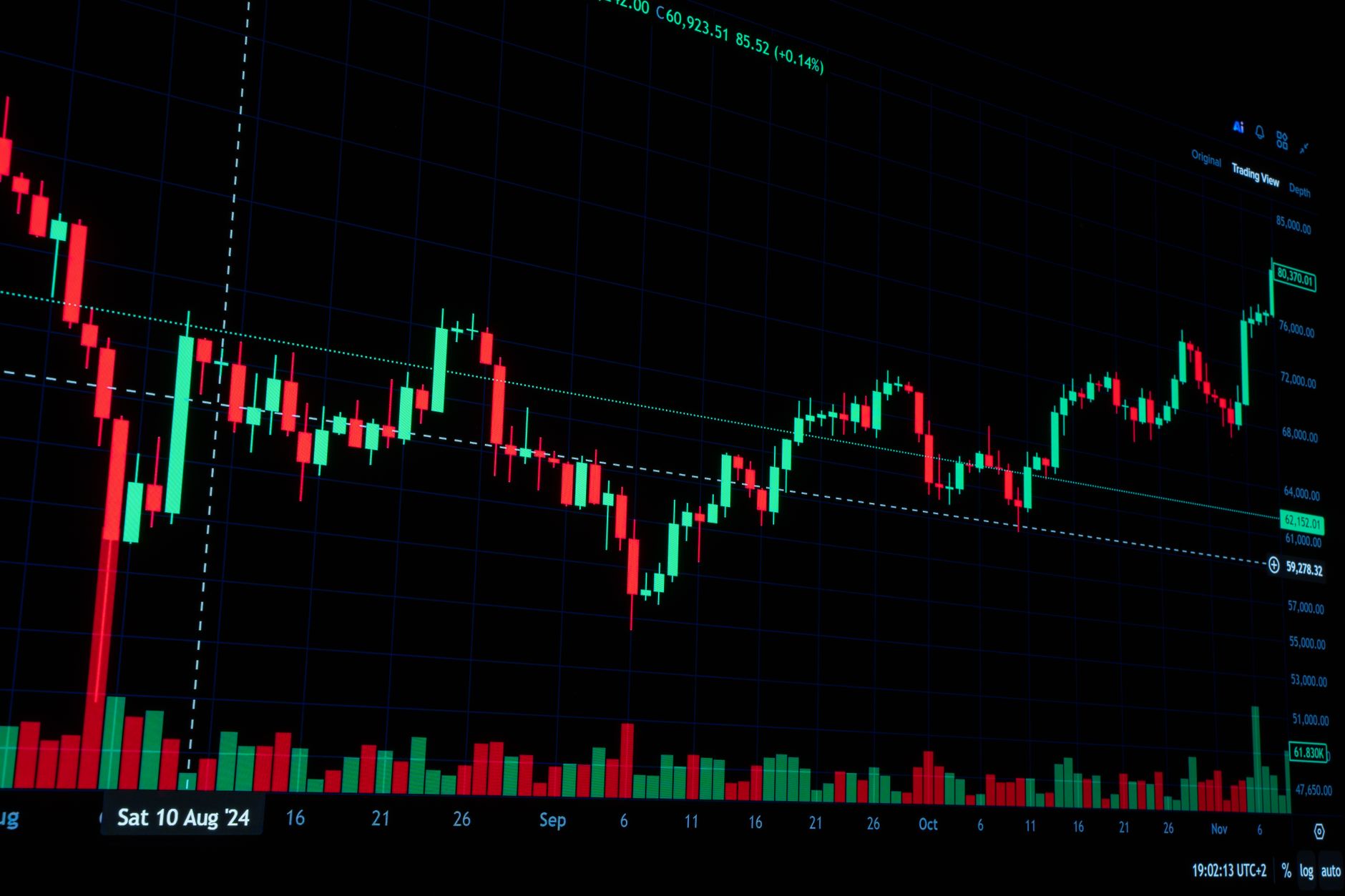
Muhurat Trading ended with Sensex and Nifty marginally lower after a seven-day rally. Investors are keen to understand the implications of this market behavior.
What is Muhurat Trading?
Muhurat Trading is a unique and culturally significant event in the Indian stock market, held on the occasion of Diwali. It is a time when investors believe that buying stocks during this auspicious hour can bring prosperity and good fortune for the upcoming year. Typically lasting for about an hour, this trading session allows investors to make purchases and celebrate the festival of lights.
During Muhurat Trading, the market usually witnesses increased participation from both retail and institutional investors. The Sensex and Nifty indices often see a surge in trading volume as people seek to invest in stocks that are considered auspicious. However, it’s essential to remember that while the sentiment is positive, the volatility can be high, and it may not always be the best time to invest. Investors should weigh their options carefully and consider their strategies before jumping into Muhurat Trading.
Historical Performance of Muhurat Trading
The historical performance of Muhurat Trading has been a topic of interest among investors. Traditionally held on the evening of Diwali, this special trading session is believed to bring good fortune. However, examining past trends reveals a mixed bag of outcomes.
Data from previous years shows:
- 2019: The Nifty index rose by 1.5%, signaling a positive start to the festive season.
- 2020: In contrast, the Sensex experienced a slight decline of 0.3%.
- 2021: A significant gain of 2% was observed, boosting investor confidence.
- 2022: The session ended with a marginal loss, similar to this year.
These fluctuations raise questions about whether Muhurat Trading is genuinely an auspicious time to invest or merely a tradition that holds little financial merit.
Market Trends During Muhurat Trading
Market trends during Muhurat Trading often reflect a mix of optimism and caution among investors. Traditionally, this period is seen as an auspicious time to start new investments. However, recent data indicates that the Sensex and Nifty might not always perform as expected during this time.
In the latest session, both indices concluded marginally lower after a seven-day rally, raising questions about the effectiveness of Muhurat Trading as a strategy. Analysts observed that while many investors flock to the market hoping to capitalize on positive sentiments, external factors such as economic indicators and geopolitical events can significantly influence outcomes.
Key trends noted during Muhurat Trading include:
- High trading volumes as retail investors participate eagerly.
- Volatility often increases, leading to unpredictable market behavior.
- Sector-specific movements can dominate, overshadowing broader market trends.
Ultimately, while Muhurat Trading holds cultural significance, investors should approach it with caution.
Expert Opinions on Current Market Conditions
As the market approaches the auspicious occasion of Muhurat Trading, experts are weighing in on the current market conditions. Many analysts express caution, noting that the recent seven-day rally has led to overbought conditions in key indices like the Sensex and Nifty.
According to financial expert Rajesh Kumar, “Investors should be wary during Muhurat Trading this year, as the elevated valuations may not justify new investments.” He emphasizes the importance of considering market fundamentals rather than relying solely on tradition.
Another analyst, Priya Mehta, suggests that investors look for opportunities in fundamentally strong stocks rather than participating in a potential market correction. She notes, “While Muhurat Trading is a festive time, it may not be the best moment to invest without thorough research.”
As opinions vary, it remains essential for investors to approach Muhurat Trading with a balanced perspective.
Impact of Economic Indicators on Trading
The impact of economic indicators on trading during Muhurat Trading can significantly influence investor sentiment and market dynamics. Key indicators to consider include:
- Inflation Rates: High inflation can lead to increased uncertainty among investors, affecting their willingness to engage in Muhurat Trading.
- Interest Rates: Central bank policies regarding interest rates can create ripples in the stock market, impacting trading volumes.
- Gross Domestic Product (GDP) Growth: A robust GDP growth rate typically boosts investor confidence, potentially enhancing the performance of stocks during Muhurat Trading.
- Unemployment Rates: Higher unemployment can dampen economic outlook, causing traders to be more cautious during this auspicious time.
Understanding these indicators is crucial for investors contemplating participation in Muhurat Trading, especially in a volatile economic environment.
Strategies for Investors During Muhurat Trading
Investors looking to navigate the unique environment of Muhurat Trading should consider several strategies to maximize their potential gains. Firstly, it is essential to conduct thorough research on stocks or sectors that typically perform well during this period.
Additionally, diversification can help mitigate risks, allowing investors to spread their investments across various asset classes. This ensures that a downturn in one area does not significantly impact the overall portfolio.
Moreover, setting clear investment goals is crucial. Investors should define their risk tolerance and investment horizon before entering trades. Another useful strategy is to keep an eye on market sentiments, as emotional trading can often lead to poor decision-making.
Lastly, patience is key; waiting for the right opportunities rather than rushing in during Muhurat Trading can lead to more favorable outcomes.
Future Predictions for Sensex and Nifty
As investors look ahead, the future predictions for Sensex and Nifty during the upcoming Muhurat Trading session remain a point of interest. Analysts are divided on whether this period will provide a favorable environment for investments or signal caution.
Several factors could influence the market’s performance:
- Global Economic Trends: Changes in international markets may affect local sentiment.
- Monetary Policy Adjustments: Any shifts from the Reserve Bank of India could impact liquidity.
- Sectoral Performance: Key sectors like IT and pharmaceuticals may drive market movements.
- Investor Sentiment: Historical trends show that emotions often play a significant role during Muhurat Trading.
While some predict a continuation of the upward trend, others caution against entering the market at this potentially volatile time. Investors are encouraged to weigh their options carefully before participating in Muhurat Trading.
Conclusion: Should You Trade Today?
In conclusion, the decision to engage in Muhurat Trading should be approached with caution. While this annual event is steeped in tradition, it is essential for investors to consider the current market environment and economic indicators before making any decisions.
Many experts suggest that despite the festive allure of trading during this auspicious time, the recent performance of the Sensex and Nifty indicates potential volatility ahead. Investors should weigh the risks against the historical patterns observed during Muhurat Trading.
Ultimately, whether or not to trade today will depend on individual risk tolerance and investment strategies. It may be wise to seek advice from financial professionals and to stay informed about market trends. With careful analysis, investors can make more informed choices during this unique trading period.
- Consider market conditions
- Evaluate personal investment goals
- Consult with financial advisors
Photo by Rafael Minguet Delgado on Pexels
References
Nil-Tax Threshold Increase: Government Raises Limit to Rs 12 Lakh · Toyota quarterly earnings: Best proven results for investors? · PTC India Financial Results: Clear Insights on Q2 Performance