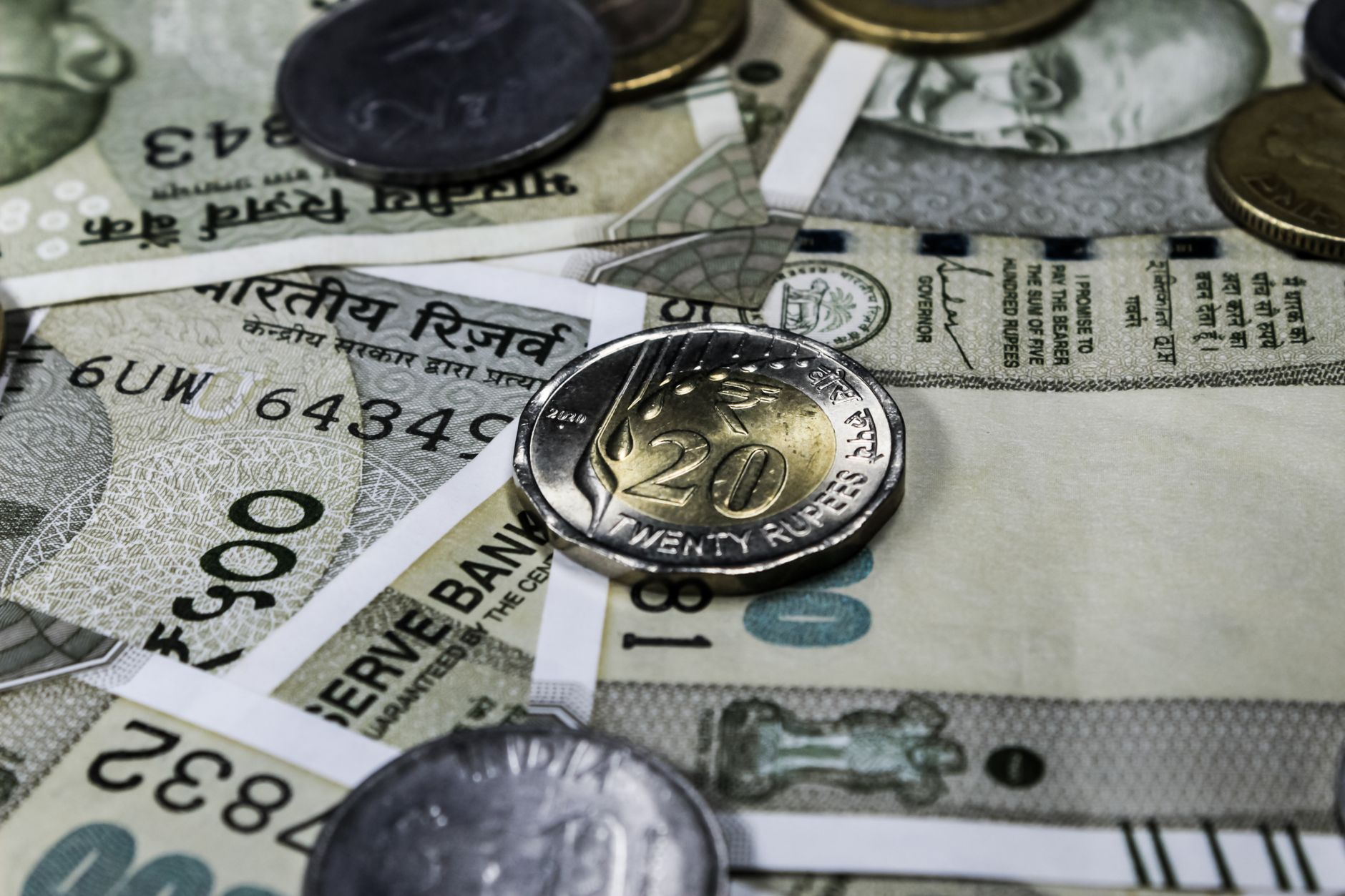
India G7 interest rate gap is currently under scrutiny as the RBI considers inflation risks. This focus reflects broader economic concerns impacting both nations.
Understanding the Interest Rate Gap
The interest rate gap between India and the G7 countries has become a significant topic of discussion among economists and policymakers. As central banks in the G7 maintain low-interest rates, India’s rates have been kept relatively high to combat inflation. This disparity raises concerns over potential economic imbalances and capital flight.
The Reserve Bank of India (RBI) faces the challenge of balancing growth and inflation, as the widening interest rate gap could exacerbate inflationary pressures. With rising prices affecting everyday commodities, the RBI is under pressure to respond effectively.
Experts highlight several factors contributing to the situation:
- Global economic conditions impacting inflation trends.
- Domestic growth requiring sustained investment.
- Capital flows influenced by interest rate differentials.
Understanding the implications of the India G7 interest rate gap is crucial for future monetary policy decisions.
Current Inflation Trends in India
Current inflation trends in India have raised significant concerns among economists and policymakers. As the Reserve Bank of India (RBI) evaluates the implications of the widening interest rate gap with the G7 countries, inflationary pressures remain a central focus.
Recent data indicates that India’s inflation rate has been fluctuating, influenced by various factors:
- Food Prices: A surge in food prices has contributed to the overall inflation, impacting the purchasing power of consumers.
- Fuel Costs: Rising global oil prices have further exacerbated the situation, leading to higher transportation and production costs.
- Supply Chain Disruptions: The aftermath of the pandemic has resulted in persistent supply chain issues, affecting the availability of goods.
As the RBI considers adjusting interest rates to combat inflation, the India G7 interest rate gap could pose additional risks, potentially leading to economic instability if not addressed effectively.
RBI’s Stance on Interest Rates
The Reserve Bank of India (RBI) is facing mounting pressure to address the widening India G7 interest rate gap, which has become a focal point in discussions about inflation risks. Policymakers are tasked with balancing growth and controlling inflation, which remains a significant concern for the economy. As the G7 nations adopt a more aggressive stance toward interest rate hikes, the RBI is cautious about following suit.
Recent reports indicate that the central bank is closely monitoring global economic conditions, including the impact of G7 monetary policies on domestic inflation. The RBI’s commitment to maintaining price stability is evident, and it seeks to avoid exacerbating the inflationary pressures that could arise from a rapid adjustment in interest rates.
Experts believe that the current interest rate gap may pose challenges for the Indian economy, potentially leading to capital outflows and currency depreciation. The RBI’s decisions in the coming months will be crucial in mitigating these risks.
Implications for Investors
The widening India G7 interest rate gap presents several implications for investors navigating the current economic landscape. As the Reserve Bank of India (RBI) contemplates its next moves, market participants must remain vigilant to potential shifts in monetary policy that could impact asset valuations.
One significant concern is the effect of rising interest rates in G7 countries on capital flows. Investors might seek higher yields abroad, leading to potential outflows from Indian markets. This could result in increased volatility in stocks and bonds, particularly in sectors sensitive to foreign investment.
Additionally, the persistent inflation in India may compel the RBI to adjust rates more aggressively than anticipated. Such a move could affect borrowing costs, influencing consumer spending and business expansion. Investors should consider diversifying their portfolios to mitigate risks associated with the evolving interest rate landscape and stay informed about macroeconomic indicators that could signal changes in the interest rate gap.
Comparative Analysis with G7 Economies
The ongoing India G7 interest rate gap has drawn attention as economists analyze its implications on inflation risks. While G7 countries, including the United States and Germany, have maintained relatively stable interest rates, India’s rates have been comparatively elevated. This divergence raises concerns regarding the effectiveness of monetary policy in curbing inflation.
Key factors to consider in this comparative analysis include:
- Economic Growth: G7 nations are experiencing slower growth, limiting their ability to increase rates without stifling recovery.
- Inflation Control: India faces higher inflation pressures, driven by food and energy costs, which necessitate a different approach from the RBI.
- Global Market Impact: The interest rate gap affects capital flows, potentially leading to currency volatility in emerging markets like India.
This analysis highlights the need for a careful balancing act as India navigates its unique economic landscape amidst the G7’s monetary policies.
Future Projections for India’s Economy
As India navigates its economic landscape, future projections indicate that the India G7 interest rate gap may play a crucial role in shaping monetary policy. Analysts predict that if inflationary pressures persist, the Reserve Bank of India (RBI) might be compelled to raise interest rates more aggressively to align with global standards. This potential shift could have several implications for both consumers and businesses.
Experts anticipate that a wider interest rate gap could lead to increased capital outflows, affecting currency stability. Additionally, businesses may face higher borrowing costs, which could dampen investment and economic growth. However, some economists argue that India’s growth trajectory remains robust, which could mitigate the impact of rising rates.
Overall, the delicate balance between controlling inflation and fostering growth will be critical. Stakeholders are urged to monitor these developments closely as the economic landscape evolves in the coming months.
The India G7 interest rate gap has raised concerns among economists regarding its potential impact on inflation. Analysts are closely monitoring how this India G7 interest rate gap might influence the country’s economic stability in the coming months.
Where this came from
Jio Platforms IPO: The Best Investment Opportunity Today · XRP Price Prediction: Is This the Best Time to Buy? · UniFirst Q4 earnings: Best results with proven growth